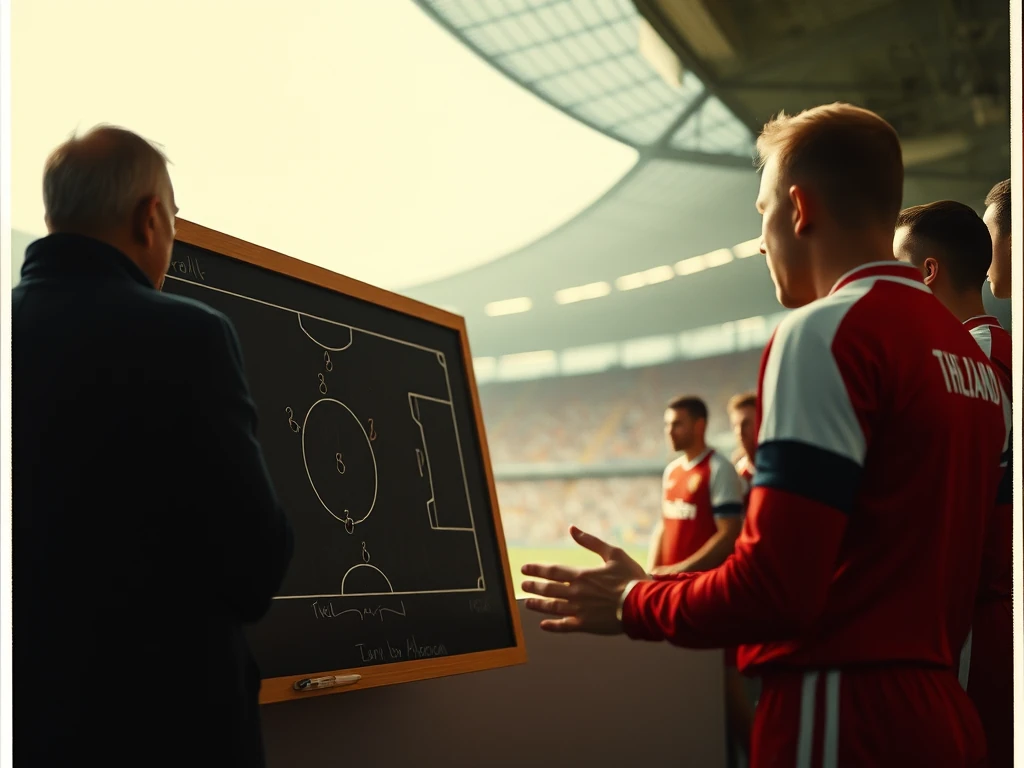
This season marks a turning point for Östers IF as they embrace a tactical evolution designed to boost their league performance. Coach Andreas Andersson has implemented a more dynamic playing style, focusing on fluid movement and quick transitions. The team's approach contrasts sharply with their past strategies, which often relied heavily on possession.
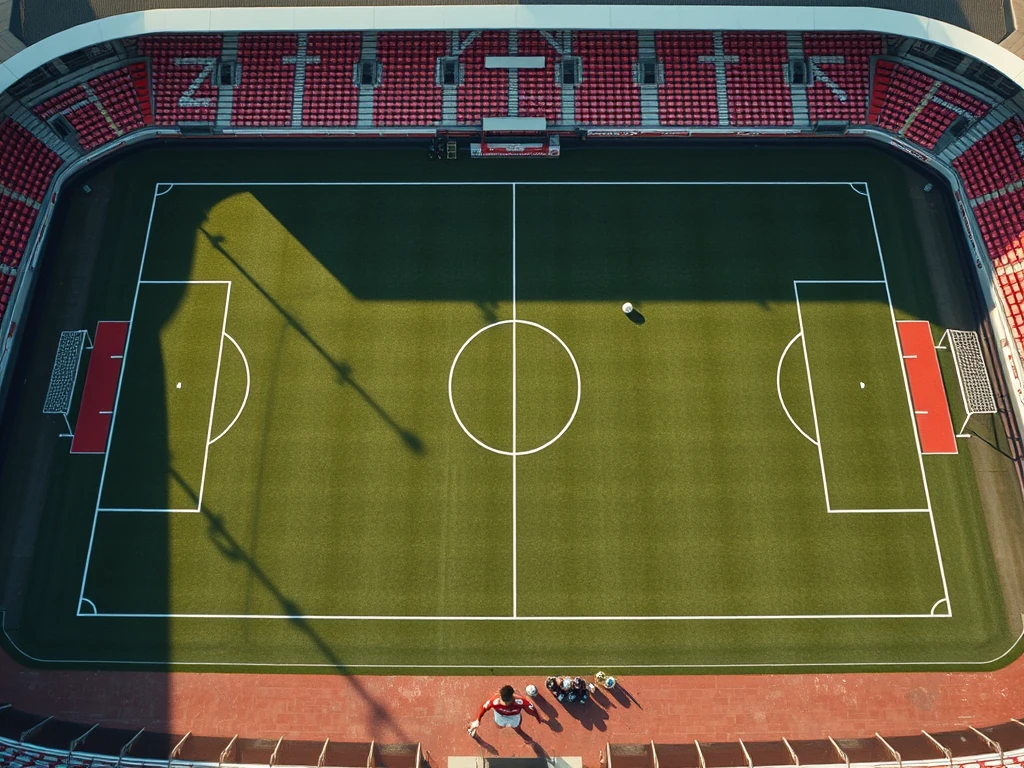
Part of this evolution involves optimizing their formation. By switching to a 4-3-3 setup, Östers IF aims to maximize width and exploit the full length of the pitch; this allows their wingers to stretch opposing defenses, creating gaps for midfield runners. The strategy capitalizes on the speed and agility of players like Victor Lindgren and Kalle Möller, who thrive in open spaces.
Defensively, the team has embraced a more aggressive press. Pressing high allows them to regain possession quickly, keeping opponents pinned in their half. This aligns with modern football trends, where quick counter-pressing plays can dictate match outcomes. In their last five matches, this tactic has resulted in nine goals.
Adaptation takes time, but the initial results have been promising. Fans have rallied behind the team as they enjoy a renewed sense of optimism and excitement for each match. With every game, Östers IF's tactical evolution appears to be forging a path toward more consistent performances this season. The intriguing question remains: how far can they push this strategy before opponents find a way to counter it?